

Bad weather can wreak havoc on road conditions, and even the most prepared drivers can find themselves in a situation where they need a tow. Whether it’s snow, ice, or heavy rain, towing services play a critical role in ensuring the safety and recovery of vehicles during adverse weather conditions. However, towing in bad weather comes with unique challenges, from navigating slick roads to dealing with limited visibility and damaged vehicles.
In this article, we’ll explore the demand for towing services in bad weather, the difficulties towing professionals face, and what you can expect when calling for a tow during a storm.
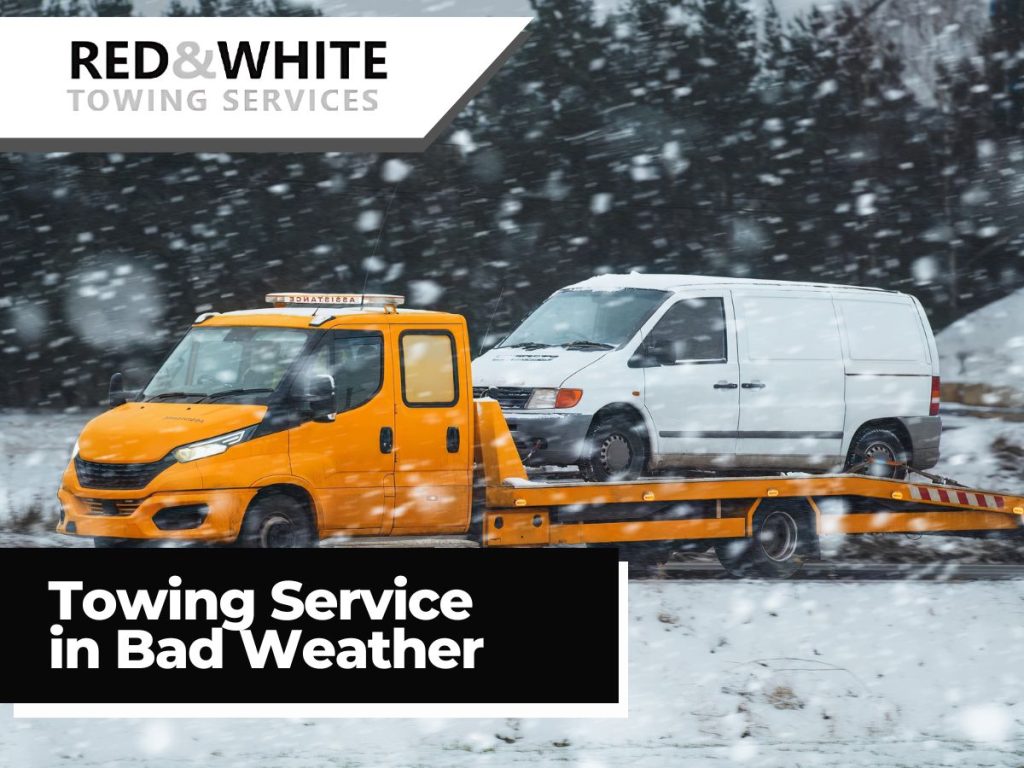
Demand of Towing Service in Bad Weather
During bad weather, especially in regions with severe winter storms or heavy rainfall, roads become hazardous, leading to a significant increase in accidents, spin-outs, and vehicle malfunctions. The increased likelihood of vehicles being stuck in snow or mud, or even accidents resulting in overturned cars, calls for more towing vehicles to be on standby. According to recent statistics, weather-related accidents contribute to more than 20% of all car crashes in the United States. In regions where snow, ice, or heavy rain are common, towing services are often in high demand during winter and rainy seasons.
Towing companies also face logistical challenges in these situations, as many areas become difficult to access, especially in remote or rural locations. The demand for 24/7 towing services increases dramatically during winter months and storm seasons, as people are more likely to encounter sudden vehicle breakdowns or get stranded due to weather-related conditions.
Specialized Equipment and Training Required
Towing in bad weather requires specialized equipment and training to ensure safety and efficiency.
Specialized Equipment:
- Winter Tires and Chains: Tow trucks use winter tires or chains for better traction on icy or snowy roads.
- Anti-lock Braking Systems (ABS): ABS helps prevent skidding on slippery surfaces, ensuring better control.
- Winches and Recovery Gear: These are used for pulling vehicles from tough spots like ditches or deep snow.
- Tow Hooks and Straps: These secure the towed vehicle to prevent further damage.
- Flood Lights and Strobe Lights: Provide visibility during storms, snow, or fog, ensuring safety for both the operator and surrounding drivers.
- Flatbed Tow Trucks: Preferred for towing in severe weather, offering stability and reducing vehicle damage.
- Winch-Out Tools: These tools are used when a vehicle is stuck in mud or snow, helping to safely recover it.
Specialized Training:
- Winter Driving Training: Operators learn safe driving techniques for icy and snowy conditions.
- Vehicle Recovery in Bad Weather: Training in advanced recovery techniques, including winching and off-road towing.
- Safety Protocols: Operators follow safety measures to protect themselves and others, including using lights and flares and assessing road conditions.
- Vehicle Inspection: Towing professionals inspect vehicles to prevent further damage and ensure safe towing.
- Coordination with Authorities: Operators are trained to communicate with local authorities about road conditions and accidents to plan safe routes.
Challenges in Towing Service in Bad Weather
Towing in bad weather isn’t as straightforward as towing in dry, clear conditions. Tow truck operators face various challenges that can increase both the time and effort required for each job. Key challenges include:
- Road Conditions
Ice, snow, and heavy rain can make roads slippery and dangerous. Towing professionals must be extremely cautious to avoid accidents and ensure their own safety while recovering a vehicle.
During storms or extreme weather, certain roads may be closed for safety reasons, and towing services need to adapt to rerouted paths.
- Limited Visibility
Snowstorms or heavy fog can limit visibility, making it difficult for tow truck operators to navigate and assess the situation properly. They must rely on their experience and equipment to identify where the vehicle is located.
- Vehicle Condition
Bad weather can lead to cars being stuck in deep snow or mud, and the vehicles may be heavily damaged. Tow operators need to be extra careful to avoid causing further harm to the vehicle during recovery.
- Traffic Disruptions
Bad weather often leads to traffic jams and road closures. Tow trucks need to work in tight conditions, managing not only the safety of the towed vehicle but also their own movement through congested traffic.
A Real-Life Experience of a Towing in Bad Weather
Tommy Rodriguez, a veteran tow truck operator in the Midwest, recalls a particularly challenging winter storm that tested his team’s skills. “It was the kind of storm where the roads were barely visible and cars were getting stuck in snowbanks left and right. I remember one call in particular, a minivan that had spun out of control and landed in a ditch. It was in the middle of nowhere, and the snow was coming down so hard, it was almost impossible to see more than a few feet in front of us,” Tommy says.
“We had to be extra cautious because the tow truck itself was slipping in the snow. I remember thinking, if we can’t secure this van, we might end up in a bad spot ourselves.” He explains that the challenge wasn’t just getting the van out of the ditch—it was about getting to it safely in the first place. “The toughest part was navigating the roads. We had to rely on our equipment, and honestly, sometimes we were just guessing the best route to take.”
The experience was a testament to the level of expertise and preparedness required to handle towing services during harsh weather. Despite the difficulties, Tommy and his team were able to successfully rescue the stranded vehicle, but not without a lot of patience and caution. “Bad weather demands quick thinking and solid equipment. Without those, we wouldn’t have been able to get that van to safety,” he says.
What to Expect in Towing Service in Bad Weather
If you ever find yourself needing a tow during bad weather, here’s what you can expect:
- Varied Response Times
Although the demand for towing services increases during severe weather, many companies operate on a 24/7 basis and may have backup teams ready for emergency situations. However, wait times may still be longer than usual, especially if multiple calls are being handled at once.
- More Precautionary Measures
Towing companies will take extra precautions when operating in dangerous weather. Safety would always be first. They might use chains or special tires to increase traction or deploy winches to recover stuck vehicles safely. Tow truck drivers are trained to handle vehicles in these conditions and may take additional steps to ensure a safe recovery.
- Additional Costs
In some cases, the difficulty of towing during bad weather may lead to higher prices. Factors like road conditions, increased risk, and longer recovery times can contribute to higher towing fees. It’s always best to check with the towing service beforehand for an estimate, if possible.
- Roadside Assistance
Many towing services offer comprehensive roadside assistance that can help in situations where your car is not necessarily in need of a full tow but may require a jump-start, tire change, or fuel delivery in adverse conditions. These services can help get you back on the road more quickly, especially during inclement weather.
FAQs
1. Can I expect faster service during bad weather?
While many towing companies try to respond quickly, the increased demand for services during bad weather often results in longer wait times. However, some services have dedicated teams for these conditions and may be able to prioritize your request.
2. Are towing fees higher in bad weather?
Yes, towing services may charge more during bad weather due to the increased difficulty and risks involved in vehicle recovery. It’s always a good idea to check for any additional fees when requesting a tow during a storm.
3. How do tow trucks navigate dangerous roads during snow or rain?
Tow trucks are equipped with special tools like chains, snow tires, and winches to safely recover vehicles from dangerous weather conditions. Tow truck drivers also undergo special training to handle these situations.
4. Can towing services help if my car gets stuck in snow or mud?
Yes, towing services are often called to assist with vehicles stuck in snow, mud, or other hazardous conditions. They use specialized equipment to recover stuck vehicles and can help remove the vehicle without causing additional damage.
5. Is there anything I should do to prepare for a tow in bad weather?
In bad weather, it’s important to stay safe. Ensure that you’re visible to approaching traffic by using your hazard lights. Stay inside your vehicle if possible and avoid trying to fix the issue yourself in hazardous conditions. Let the towing professionals handle the situation.Exploring related topics like Winching and Recovery Services Explained or Emergency Towing Safety Guide will help you better understand how towing services work, especially in extreme conditions. Stay informed and be prepared for any unexpected situations on the road!