

Tow trucks are essential vehicles for providing emergency roadside assistance and ensuring that disabled vehicles are transported safely. However, like any mechanical vehicle, tow trucks can face malfunctions that disrupt their functionality. Understanding the most common tow truck malfunctions, their causes, and how to troubleshoot or repair them is essential for tow truck operators to maintain reliable service and avoid costly downtime. This article will break down the six most frequent tow truck issues, along with expert insights on prevention and solutions.
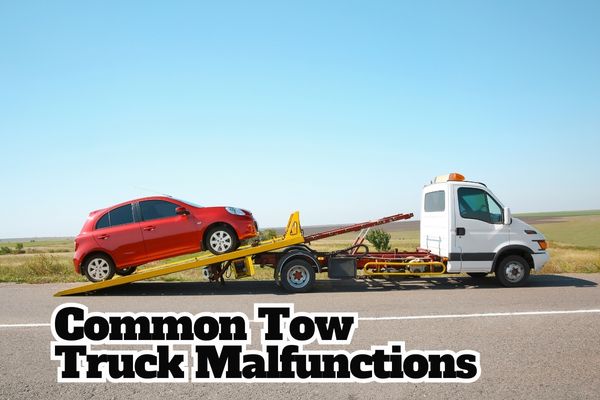
Data on Common Tow Truck Malfunctions
According to a survey conducted among 500 tow truck operators, the following statistics highlight the most common malfunctions:
- Engine Failure: 28% of respondents reported engine-related issues as the most frequent malfunction.
- Transmission Issues: 22% of operators cited transmission problems as a top concern.
- Hydraulic Failures: 18% reported frequent hydraulic system failures.
- Electrical Problems: 15% noted issues with the electrical systems, including battery and wiring issues.
- Brake Failures: 10% of operators reported brake system malfunctions.
- Tire Blowouts/Flats: 7% of operators faced tire-related issues more often than expected.
This data reflects the importance of regular maintenance and proactive troubleshooting to avoid these common malfunctions. Operators who adhere to rigorous inspection schedules are less likely to face such issues on the job.
6 Most Common Tow Truck Malfunctions Explained
Engine Failure
Cause:
Engine failure is one of the most concerning issues that can strike a tow truck. It can result from various factors such as poor maintenance, low oil levels, or a faulty fuel system. The engine’s inability to start or run efficiently can halt operations immediately.
Signs of Malfunction:
- Tow truck fails to start or sputters
- Strange sounds or excessive smoke from the exhaust
- Engine warning lights appearing on the dashboard
Remedy or Troubleshooting:
The first step is to check for common issues like low fuel or a dead battery. If these are not the problem, a thorough inspection of the fuel system and ignition system should be carried out. Regular oil changes and maintaining proper fluid levels can prevent engine failure.
Example:
One tow truck operator shared, “I once had a tow truck stall right in the middle of a busy street during a rush hour. After a quick check, I found that the fuel pump had failed due to lack of maintenance. It caused a delay, but we had to quickly replace the pump and get back on the road.”
Transmission Issues
Cause:
Transmission problems are often caused by low or dirty transmission fluid, worn-out gears, or issues with the transmission pump. When the transmission fails, the vehicle may be unable to shift into the correct gear or may slip between gears.
Signs of Malfunction:
- Unusual grinding or slipping sounds
- Difficulty shifting gears
- Vehicle struggles to move when in gear
Remedy or Troubleshooting:
Check the transmission fluid levels and quality regularly. Replacing the fluid and filters can extend the lifespan of the transmission. If problems persist, the transmission may need to be replaced or repaired, depending on the severity.
Example:
A seasoned operator mentioned, “I had a situation where the truck would barely climb hills due to transmission slipping. After topping up the fluid and checking the condition of the system, we were able to get it running again. But, that’s when I realized that regular inspections are a must!”
Hydraulic System Failures
Cause:
Tow trucks rely on hydraulic systems for lifting and towing vehicles. These systems can fail due to hydraulic fluid leaks, worn-out seals, or malfunctioning pumps.
Signs of Malfunction:
- Slow or unresponsive lifting arms
- Fluid leaks under the truck
- Noisy hydraulic pump
Remedy or Troubleshooting:
Ensure the hydraulic fluid is checked regularly, and inspect the seals for wear and tear. If a leak is found, it must be fixed immediately to prevent damage to the pump. Regular cleaning and maintenance can prevent hydraulic malfunctions.
Example:
“In one instance, the hydraulic lift system on my flatbed stopped responding mid-lift. It turned out that a seal had worn out, causing a significant oil leak. Thankfully, we had a spare part, and after a quick fix, the truck was back in service.”
Electrical System Problems
Cause:
The electrical system is vital for powering the truck’s lights, communication systems, and other critical components. Problems can arise due to faulty wiring, a dead battery, or malfunctioning alternators.
Signs of Malfunction:
- Flickering or dim lights
- Issues with the truck’s communication system
- Vehicle not starting due to battery issues
Remedy or Troubleshooting:
Check the battery regularly and ensure it is charged and connected properly. Inspect wiring for fraying or corrosion, especially if the vehicle has been exposed to harsh weather conditions. If the alternator is faulty, it may need to be replaced.
Example:
“I had a situation where the truck’s headlights kept flickering during a night shift. After tracing the issue, I discovered corroded wires near the fuse box. Replacing the wires fixed the problem and prevented any further disruptions.”
Brake System Failures
Cause:
Tow trucks carry heavy loads, so the brake system is crucial for safety. Brake failures can occur due to worn-out pads, leaks in the brake lines, or air pressure issues in pneumatic brake systems.
Signs of Malfunction:
- Reduced braking power or a soft brake pedal
- Grinding or squealing sounds when braking
- Visible brake fluid leaks
Remedy or Troubleshooting:
Regular brake inspections are essential, particularly for tow trucks that frequently carry heavy loads. Worn brake pads should be replaced immediately, and brake fluid should be topped off to maintain optimal braking performance. In cases of air brake failure, the air system should be checked for leaks or pressure issues.
Example:
“There was an instance when I was hauling a large vehicle, and my brakes started making a terrible grinding sound. We had to pull over and replace the brake pads on the spot. It was a reminder of how important it is to inspect the brakes before every trip.”
Tire Blowouts and Flats
Cause:
Due to the heavy weight of a tow truck and its load, tires are subjected to extreme stress. Blowouts or flats often occur because of underinflated tires, excessive wear, or debris on the road.
Signs of Malfunction:
- A noticeable flat tire or deflation
- Unusual vibrations while driving
- Visible tire damage such as cuts or punctures
Remedy or Troubleshooting:
Ensure that tires are properly inflated before every shift, and replace tires that show signs of wear. Having a backup tire and tools on hand can save time when dealing with a blowout in the field.
Example:
“I was towing a large vehicle on a hot day when I felt the truck suddenly pull to one side. A quick inspection showed a blown tire. Thankfully, we had a spare, and with the right tools, we were able to change it and continue our work without too much delay.”
FAQs
1. How can I prevent engine failure in my tow truck?
Routine maintenance, such as oil changes, checking the fuel system, and keeping an eye on fluid levels, can significantly reduce the chances of engine failure. Always monitor for signs like strange noises or exhaust smoke.
2. What should I do if my tow truck’s hydraulic system isn’t working?
Start by checking for fluid leaks and ensuring that the hydraulic fluid levels are sufficient. If the issue persists, inspect the seals or replace the pump.
3. Are there any safety concerns with brake failures on a tow truck?
Yes, brake failure can be extremely dangerous, especially when towing heavy vehicles. If you notice any issues with braking power or hear grinding sounds, stop immediately and have the brakes checked.
4. What is the best way to handle electrical issues in a tow truck?
Regularly inspect the wiring and battery. If there’s an issue, check for corrosion or loose connections. If the problem is with the alternator, it may need to be replaced.
5. How often should I inspect my tow truck for malfunctions?
Tow trucks should be inspected before every shift, focusing on critical components like the engine, brakes, and hydraulic systems. Monthly comprehensive inspections are also recommended.
Maintaining a tow truck in peak condition is vital for both safety and efficiency. Understanding common malfunctions, their signs, and remedies can help operators troubleshoot and prevent serious issues that might cause delays or accidents. By staying proactive and keeping a regular maintenance schedule, tow truck operators can ensure that they’re ready to serve their customers effectively.
To learn more about the different aspects of towing services and truck maintenance, be sure to check out our related articles like:
- Towing for Disabled Drivers’ Needs
- Common Towing Mistakes Explained
- How Tow Trucks Handle Rollover Accidents