

When a disabled driver experiences car trouble, getting their vehicle towed is not as simple as calling a regular tow service. Specialized needs, tools, and procedures come into play, making the process much more complex and critical for safety. Disabled drivers often rely on additional assistance, and ensuring their vehicle is transported correctly requires a tow service with expertise in this area.
In this article, we will examine how towing for disabled drivers is different from regular towing services, the challenges involved, and the advocacy surrounding these needs.
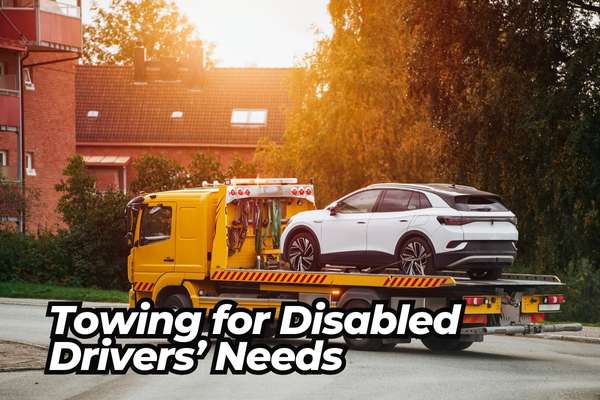
A Tow Expert Explains the Needs of Disabled Drivers During Towing
When it comes to towing for disabled drivers, expertise and specialized tools are a must. Tow operators with experience in this niche service understand the unique challenges and requirements that come with transporting vehicles owned by individuals with disabilities.
Specialized Tools, Processes, and Protocols
Towing a vehicle for a disabled driver goes beyond simply hooking it up to a tow truck and transporting it to a garage. There are specific tools and protocols in place to ensure that the towing process doesn’t harm the vehicle or the driver’s equipment, such as lifts, ramps, or mobility devices that may be installed. For instance, a wheelchair-accessible van might require a flatbed tow truck to avoid further damage to the lift system and ensure that it is safely loaded.
Tow truck drivers must also be trained in securement procedures for vehicles with adaptive equipment, such as wheelchair ramps or hand controls. These vehicles are often heavier or have added components that may not be present on regular cars, making proper balance and loading essential for a safe tow. Some towing companies even provide vehicles with hydraulic lifts or other special loading equipment to ease the process.
“When towing a vehicle for a disabled driver, we take extra care to make sure the vehicle’s lift or ramp is properly secured. We also ensure that the environment is safe for the driver if they are inside the car. For some, it’s a matter of getting to their destination, but for others, it’s about keeping the vehicle’s accessible features intact.” — John Davis, a Senior Tow Operator.
A Unique and Challenging Feat
Disabled drivers often have additional considerations that make towing a more complex task. For example, they might require assistance getting out of the vehicle or might need an extra level of care when dealing with their disability aids, such as wheelchairs or scooters. This requires extra time and attention, which can be more challenging during emergencies.
For example, if a wheelchair-accessible van is broken down in an area with limited space, a tow truck with a flatbed or wheel-lift mechanism must be used to ensure that the vehicle and its equipment are not damaged during the transport. Additionally, a tow operator might need to help guide the driver into their wheelchair if they need assistance.
Example Scenario:
A disabled driver who uses a wheelchair van broke down during a storm. A tow service was called, and the tow operator made sure that both the van and the wheelchair lift system were secured properly. They also offered help with safely transferring the driver into a nearby safe area before transporting the vehicle to the shop.
Certification for Towing for Disabled Drivers
Certification for towing vehicles that cater to disabled drivers ensures that tow operators are properly trained to handle the unique requirements of accessible vehicles. These certifications typically focus on the proper handling of adaptive equipment like wheelchair lifts, ramps, and hand controls, and ensure that tow truck drivers understand how to safely secure these vehicles during transport.
Key Certifications and Standards for Towing Disabled Drivers:
- NMEDA (National Mobility Equipment Dealers Association) Certification
NMEDA is one of the leading organizations offering certifications for businesses that specialize in mobility equipment, including towing companies. Their QAP (Quality Assurance Program) ensures that tow operators are trained to handle vehicles with adaptive technologies like ramps, lifts, and specialized seating systems safely and effectively.
- ADA (Americans with Disabilities Act) Compliance
Towing services that handle vehicles for disabled drivers must comply with the ADA, which ensures accessibility and safe transportation for individuals with disabilities. Certification under ADA standards includes training for tow operators to provide proper assistance and avoid harm to the vehicle or driver.
- Wheelchair Accessible Vehicle (WAV) Training
Specialized towing companies often offer training in handling Wheelchair Accessible Vehicles (WAVs). This certification focuses on towing vehicles that have added features like raised roofs or ramps and requires drivers to understand how to avoid damaging these features during transport.
- State-Specific Certifications
Some states have additional certification programs that specifically address the needs of towing services for disabled drivers. These programs often provide guidance on proper loading, securing the vehicle, and ensuring that drivers with disabilities are safely transported.
Why Certification Matters:
- Safety: Proper certification ensures that the vehicle and driver’s equipment, such as lifts and ramps, will not be damaged during the towing process.
- Liability Protection: Towing services with certifications can help reduce the risk of accidents or damage, which may be covered by insurance.
- Customer Confidence: Disabled drivers can trust that certified towing services understand their unique needs, ensuring a more reliable and safe experience.
Advocacy Groups for Disabled Drivers on Their Towing Needs
While the towing industry is making strides toward catering to the disabled community’s needs, advocacy groups are vital in ensuring the full scope of disabled drivers’ rights and safety concerns are addressed.
Understanding the Needs of Disabled Drivers: A Real-Case Example
Organizations like the National Mobility Equipment Dealers Association (NMEDA) advocate for disabled drivers and ensure that towing companies are aware of the specific needs when it comes to transporting vehicles designed for accessibility. These vehicles often come equipped with adaptive technology like lifts, ramps, or hand controls that require specialized handling.
Case Study:
A disabled driver shared their experience: “I was once left stranded for hours because the towing service didn’t know how to properly handle my wheelchair van. The tow truck operator didn’t know how to operate the lift system, and I was worried about both my van and my safety. Thankfully, an advocate from the NMEDA stepped in and helped me find a tow service that understood my needs.”
What Advocacy Groups Are Doing to Improve Towing Services
Advocacy groups like NMEDA are not only pushing for more awareness and training for tow operators, but they are also working with insurance companies, automotive manufacturers, and local municipalities to develop better solutions for disabled drivers. Their goal is to ensure that all towing services are equipped with the knowledge and tools necessary to safely and efficiently assist drivers with disabilities.
“There’s a growing recognition that disabled drivers face unique challenges, especially when it comes to towing. Our goal is to help bridge the gap between these drivers and the towing services they need, ensuring that every towing company has the proper training and equipment.” — Mary Jenkins, Director, National Mobility Equipment Dealers Association (NMEDA).
FAQs
1. What tools do tow operators use to safely tow vehicles for disabled drivers?
Tow operators use specialized equipment like flatbed tow trucks, hydraulic lifts, and wheel-lifts to safely tow vehicles with mobility aids or adaptive equipment. These tools help avoid damage to the vehicle’s mobility features.
2. How can a disabled driver ensure they are using a towing service that understands their needs?
Look for tow services that are NMEDA-certified or have experience handling accessible vehicles. Always inform the towing company of any special needs, such as ramps or wheelchair lifts.
3. Are there special insurance policies for disabled drivers when it comes to towing?
Yes, some insurance policies offer coverage specifically for vehicles with adaptive equipment. It’s important to check with your insurance provider to ensure you have the right coverage for towing in case of a breakdown.
4. How do advocacy groups help disabled drivers with towing?
Advocacy groups like NMEDA work to raise awareness, provide education, and push for better policies that ensure safe towing services for disabled drivers. They also connect drivers with companies trained in the safe transport of accessible vehicles.
5. What should I do if my wheelchair van breaks down?
Contact a towing service that specializes in accessible vehicle transport. If you’re unable to get help, advocacy groups like NMEDA can offer advice on finding the right tow service.
Towing services for disabled drivers require more than just basic towing knowledge. They involve a unique set of skills, tools, and protocols to ensure that both the vehicle and its adaptive equipment are treated with care. Towing experts, backed by advocacy groups, are crucial in improving these services, ensuring disabled drivers are not left stranded or at risk. If you’re a disabled driver, it’s essential to choose a towing service that understands your needs and is prepared to offer specialized assistance.Explore related articles like Emergency Towing Safety Guide or Tips for Safe Towing Practices to learn more about specialized towing services.