

Emergency towing can be a stressful experience for any driver. Whether your vehicle has broken down on a busy highway or you’ve been involved in an accident, ensuring safety is critical during such moments. Without proper precautions, emergency towing situations can quickly escalate, leading to additional risks for you, your passengers, and your vehicle. This guide will explore essential practices and guidelines for safe emergency towing, helping you navigate these challenges with confidence.
Emergency Towing Explained
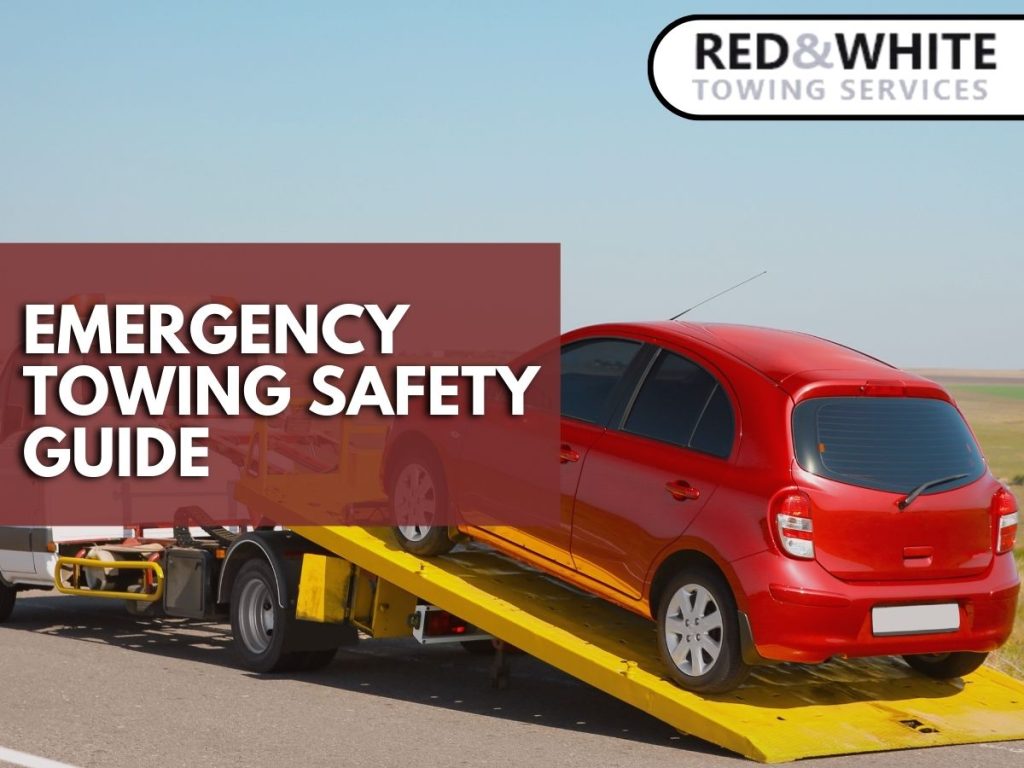
Emergency towing refers to the process of moving a vehicle under urgent circumstances, typically due to mechanical failure, accidents, or other unforeseen events. Unlike scheduled towing, emergency towing demands a quick response to prevent further complications. For instance, a car stranded on a busy road poses safety hazards for the driver and other motorists. Professional towing services are equipped to address such situations promptly, utilizing trained operators and specialized equipment to ensure the vehicle is towed safely.
Cases That Call for Emergency Towing
Emergency towing is often necessary in a variety of scenarios where immediate action is required. One of the most common cases is a vehicle breakdown in the middle of traffic. When a car suddenly stops working on a busy street or highway, it becomes a safety hazard and disrupts the flow of traffic. Mechanical breakdowns, such as transmission failure or a sudden engine stall, can also render a vehicle inoperable.
Another critical situation is following a collision. Accidents often require quick vehicle removal to prevent secondary crashes and keep traffic flowing. Even minor accidents can leave a vehicle immobilized, requiring it to be removed from the road to clear the way for other motorists.
Emergency towing is also essential during extreme weather conditions, such as snowstorms, heavy rain, or scorching heat, which can exacerbate vehicle malfunctions. Similarly, tire blowouts, engine overheating, or dead batteries may leave drivers stranded in unsafe locations, necessitating professional assistance. For those traveling long distances, emergencies can occur in remote areas with no access to repair services, making towing the only viable option.
Safety in Emergency Towing
Safety should always be the top priority during emergency towing. Professional towing companies play a vital role in maintaining this safety by employing trained operators who understand how to handle various towing scenarios. For drivers, it’s essential to take precautions while waiting for a tow truck. Moving the vehicle to a safe area, such as the shoulder of the road, if possible, and turning on hazard lights are crucial first steps. Remaining inside the vehicle, especially in dangerous weather or high-traffic conditions, can help minimize risks until help arrives.
Guidelines for Safe Emergency Towing
Safe emergency towing requires a combination of preparation, communication, and adherence to professional standards. Before the tow truck arrives, it is essential to prepare your vehicle for towing. Engaging the parking brake ensures the car remains stationary until the operator is ready to load it. For manual transmission vehicles, placing the gear in neutral is an important step to avoid damaging the drivetrain. Drivers should also secure any loose items inside the car to prevent them from moving around during transport.
Communication with the towing company is another crucial aspect of safe towing. When contacting the service provider, be as specific as possible about your location, vehicle type, and the nature of the problem. This information helps ensure that the right tow truck, whether a flatbed or a wheel-lift model, is dispatched. Clear communication also prevents delays and ensures the towing operator arrives with the necessary equipment.
Upon the tow truck’s arrival, confirm the company’s identity by checking the logo on the vehicle or asking the operator for identification. This precaution minimizes the risk of falling victim to towing scams. Once the operator begins the process, stay nearby to answer any questions but maintain a safe distance to avoid accidents.
Consequences of Unsafe Emergency Towing
Failing to follow safety guidelines during emergency towing can have serious consequences. Attempting to tow a vehicle without proper equipment or expertise may lead to additional damage, such as misalignment or scratches. DIY towing can also pose risks to other motorists if the vehicle isn’t secured properly. Beyond physical damage, there are legal ramifications to consider. Many jurisdictions have strict regulations for towing, and non-compliance can result in fines or other penalties. Relying on professional services eliminates these risks and ensures your vehicle is handled safely.
Frequently Asked Questions
1. When should I call for emergency towing services?
You should call for emergency towing services if your vehicle is involved in an accident, has broken down in the middle of traffic, or cannot operate safely due to mechanical failure. Additionally, extreme weather conditions or incidents like tire blowouts and overheating may also necessitate immediate assistance.
2. What should I do while waiting for the tow truck?
Move your vehicle to a safe location, such as the shoulder of the road, if possible. Turn on your hazard lights to alert other drivers and remain inside the vehicle for safety, especially in high-traffic or adverse weather conditions. Keep your phone handy to communicate with the towing service.
3. Can I tow my vehicle myself in an emergency?
While it may be tempting to tow your vehicle yourself, it is not recommended unless you have the proper equipment and expertise. DIY towing can result in vehicle damage, safety hazards, and legal issues. Professional towing services are equipped to handle emergencies safely and efficiently.
4. How can I avoid towing scams?
Verify the identity of the towing operator when they arrive by checking their credentials or company logo. Avoid unsolicited towing services that show up without being called, as they may charge excessive fees. Always confirm the towing company’s details during your initial call.
5. Does my insurance cover emergency towing services?
Many insurance policies include towing services as part of roadside assistance coverage, but it’s important to review your policy to confirm. If covered, inform the towing company and provide the necessary documentation to streamline the process.
6. What type of tow truck is best for my vehicle?
The best type of tow truck depends on your vehicle’s size and condition. Flatbed tow trucks are ideal for luxury cars, SUVs, and vehicles with significant damage, while wheel-lift tow trucks are suitable for smaller vehicles and short distances.
Conclusion
Emergency towing doesn’t have to be a daunting experience if you approach it with the right knowledge and resources. By prioritizing safety, preparing your vehicle, and relying on professional towing services, you can navigate emergency situations with ease. For additional tips and advice, explore our related articles and stay informed about safe towing practices.
For more insights into towing best practices, explore related articles like Common Towing Mistakes Explained and Types of Towing Services in Tucson AZ. These resources delve deeper into avoiding common errors, choosing the right towing method, and understanding the various services available.