

Imagine this: You’re stranded on the side of the road with a dead battery or a flat tire, and you need a tow truck. You call a towing service, but due to miscommunication, the wrong type of tow truck arrives, causing delays and frustration. Effective communication with a towing operator can make a huge difference in how quickly and efficiently you get the help you need. This article will guide you through the best ways to communicate with towing operators, ensuring a hassle-free experience.
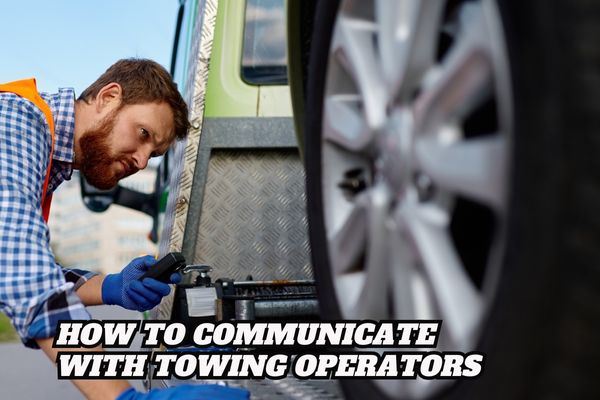
Effective Communication with Towing Operators
Communication with Dispatch
The dispatcher is your first point of contact, and your ability to explain the situation effectively will determine how well the process goes.
- Be Clear and Concise – Say exactly what happened and where you are. Avoid unnecessary details.
- Use Landmarks and GPS Coordinates – If you’re in an unfamiliar area, look for street signs or use your phone’s GPS.
- Describe the Vehicle and Problem – Knowing whether your car is completely disabled or just needs a jump-start helps them send the right truck.
- Ask About Estimated Time of Arrival (ETA) – This helps you plan accordingly and reduces anxiety.
- Confirm Costs Beforehand – Always ask for an estimate to avoid unexpected charges.
Communication with Tow Truck Driver
Once the tow truck arrives, good communication with the driver ensures a smooth process.
- Confirm Your Identity – Let the driver know who you are and verify they were sent by the company you called.
- Explain the Problem Again Briefly – Even if you already told the dispatcher, the tow operator may need to confirm.
- Discuss Towing Destination – Specify where you want the car to go. If you don’t have a repair shop in mind, ask for recommendations.
- Clarify Payment and Receipts – Ask whether payment is needed upfront or if they bill later. Always request a receipt.
- Stay Nearby but Safe – Observe the process but maintain a safe distance. If you have questions, ask politely.
Good Communication with the Tow Service: A Stress-Free Experience
Clear and effective communication with a tow service can make a significant difference in ensuring a smooth, hassle-free experience. Providing precise details to both the dispatcher and the tow truck operator helps avoid delays, miscommunications, and unexpected costs. Here’s how good communication can improve the towing process:
1. Faster Response Time
Providing an exact location using GPS coordinates, street names, and nearby landmarks allows the dispatcher to identify the closest available tow truck quickly. This ensures a faster arrival time compared to giving vague or unclear location details.
2. The Right Tow Truck Is Sent
Informing the dispatcher about the condition of the vehicle—such as whether it is drivable or has significant damage—helps them determine the appropriate tow truck type. For example, a flatbed truck may be needed instead of a wheel-lift, preventing unnecessary delays caused by sending the wrong equipment.
3. No Unexpected Charges
Clarifying pricing details beforehand helps avoid surprise costs. Asking about total fees—including hook-up charges, mileage rates, and possible surcharges—ensures transparency. Confirming accepted payment methods also prevents last-minute issues.
4. Smooth Coordination with the Towing Operator
When the tow truck arrives, verifying the driver’s identity and confirming that they are from the correct towing company adds an extra layer of security. Double-checking the drop-off location with the driver helps prevent mix-ups or additional fees for unnecessary mileage.
5. Reduced Stress and Frustration
Remaining calm and providing accurate information throughout the process helps minimize stress. Clear communication ensures the vehicle is safely transported to the correct destination without complications or delays.
By following these communication steps, the towing experience can be efficient, straightforward, and free from unnecessary hassle.
A Case Study: Communication Done Right
Let’s look at the experience of Jake, a car owner in Tucson, who found himself in an emergency towing situation late at night. His car broke down on a deserted highway, and he had no idea what to do.
Step 1: Initial Contact with the Towing Service
Jake called a towing service and clearly stated his location using GPS coordinates from his phone. Instead of panicking, he calmly explained the issue: “My car suddenly stopped running. It won’t restart, and I’m stuck on Highway 10, near Exit 256.”
Step 2: Providing Necessary Details
To avoid confusion, he gave specific details about his car:
- Make and Model: “I have a 2020 Honda Civic.”
- Issue Description: “The engine shut down, and I can’t restart it.”
- Special Needs: “It’s parked on the side of the road, and I’m not in immediate danger.”
Step 3: Coordinating with the Dispatcher
The dispatcher asked a few clarifying questions:
- “Is the car drivable?” → No.
- “Are you in a safe location?” → Yes.
- “Do you have roadside assistance coverage?” → No.
By answering these quickly and clearly, Jake helped the dispatcher send the right type of tow truck.
Step 4: Communicating with the Tow Truck Operator
When the driver arrived, Jake confirmed:
- The tow truck had the right capacity for his vehicle.
- The driver knew where to tow the car (his preferred repair shop).
- Payment details were clear upfront.
Key Takeaway
- Providing clear information speeds up the process – The dispatcher can send the right help faster.
- Choosing the right tow truck avoids delays – Not all trucks are suited for every vehicle type.
- Confirming costs upfront prevents surprises – Always ask for a price estimate before the tow.
- Communicating directly with the driver ensures accuracy – Avoids wrong destinations or vehicle mishandling.
- Staying calm helps resolve issues efficiently – Panic leads to confusion, while clear communication ensures a smoother process.
FAQs
1. What information should I provide when calling a towing service?
When calling a towing service, provide your exact location (GPS coordinates or landmarks), vehicle details (make, model, and issue), and your preferred drop-off location. Also, ask about the estimated arrival time and total cost.
2. How can I ensure the right tow truck is sent for my vehicle?
Describe your vehicle’s condition clearly. If your car won’t start or has major damage, request a flatbed tow truck. If you have a light issue, like a flat tire, a wheel-lift tow truck might be sufficient. If unsure, ask the dispatcher for recommendations.
3. What should I do if I don’t know my exact location?
Use your phone’s GPS, check for nearby street signs, mile markers, or landmarks, and describe your surroundings as clearly as possible. Apps like Google Maps can help you share your precise location with the towing service.
4. How can I avoid unexpected towing costs?
Before the tow begins, ask for a price estimate, including hook-up fees, mileage charges, and any after-hours surcharges. Always confirm the payment method to avoid surprises.
5. How do I verify that the tow truck is from the company I called?
Ask the driver for their name, company name, and request to see their official identification or work order. If something feels suspicious, call the towing company to confirm before allowing them to tow your car.
6. Can I ride with the tow truck driver?
Some towing companies allow passengers, but others do not due to safety regulations. Always ask the dispatcher beforehand so you can arrange alternative transportation if needed.