

Illegally parked vehicles can cause traffic congestion, pose safety hazards, and violate property rights. To address this, towing services play a crucial role in enforcing parking regulations. Whether in public spaces or private properties, cities have specific laws that dictate when and how a vehicle can be towed. This article explores key aspects of towing for illegally parked vehicles, including legal frameworks, statistics, and guidelines from the Department of Transportation (DoT).
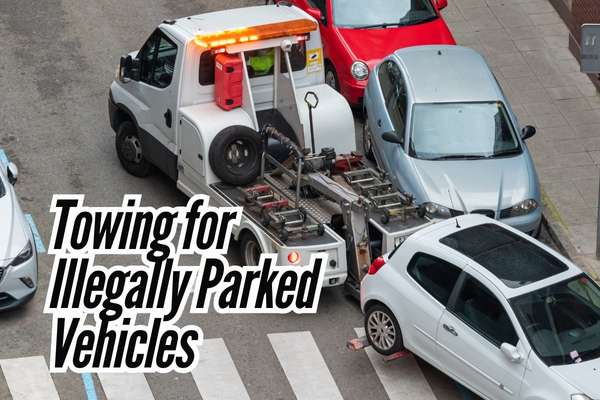
Towing Statistics in the U.S.
Towing for illegally parked vehicles is common in the U.S., with significant enforcement in urban areas. Here are some key statistics:
- The City of Chicago tows over 100,000 vehicles annually for parking violations.
- Los Angeles impounds approximately 200,000 vehicles each year, primarily for unpaid tickets and illegal parking.
- New York City enforces strict towing regulations, with an estimated 50,000+ vehicles towed annually for unauthorized parking.
These figures highlight the widespread impact of parking enforcement on maintaining traffic flow and public safety.
What You Need to Know
Towing for illegal parking is a common practice used to enforce parking regulations and keep traffic flowing smoothly. If your vehicle is towed due to parking violations, it’s important to understand the process and know what actions you can take to retrieve your car and avoid future incidents. Here’s a comprehensive overview of towing for illegally parked vehicles:
1. What Constitutes Illegal Parking?
Illegal parking can occur for various reasons, including but not limited to:
- Parking in a No Parking Zone: Areas clearly marked with “No Parking” signs or restricted hours.
- Blocking Driveways: Parking in front of or blocking access to driveways, fire lanes, or loading zones.
- Parking in Reserved Spaces: Parking in spaces designated for handicapped or private use without proper authorization.
- Expired Meter or Unauthorized Parking: Parking at expired meters or in areas with limited-time parking without proper permits.
- Double Parking: Parking alongside another vehicle, blocking traffic.
2. Why Vehicles Are Towed
Towing is typically enforced when vehicles are parked illegally in ways that obstruct traffic flow, create safety hazards, or violate local parking laws. Common reasons for towing include:
- Traffic Congestion: Vehicles parked in no-parking zones or obstructing lanes can disrupt traffic.
- Safety Concerns: Parking in front of fire hydrants, emergency zones, or blocking visibility at intersections.
- Private Property Violations: Parking on private property without permission from the property owner.
- Regulatory Violations: Expired parking meters or unregistered vehicles in restricted areas.
3. How to Find Out If Your Vehicle Was Towed
If you’ve discovered that your vehicle is missing, here’s how you can confirm if it was towed:
- Check for Tow Signs: Look around for “No Parking” or other warning signs that indicate the area is subject to towing.
- Contact Local Authorities: Call the local police or parking authority. They can inform you whether your vehicle was towed and where it was taken.
- Online Towing Lookup: Many cities have online systems where you can search for your vehicle using its license plate number.
- Check Nearby Properties: In some cases, the towing company’s contact details might be posted near the parking area if the car was towed from private property.
4. How to Retrieve Your Towed Vehicle
Once you confirm your car has been towed, follow these steps to reclaim it:
- Locate the Impound Lot: Call the police or parking authority to find out where your car was taken. In some areas, towing companies are required to notify the police.
- Gather Necessary Documents: Be prepared to provide:
- A valid driver’s license or ID.
- Proof of vehicle ownership (registration).
- Proof of insurance.
- Payment for towing and storage fees.
- Pay Fees: Towed vehicles usually incur a towing fee, storage fee, and possibly administrative costs. The longer your car stays in the lot, the higher the fees.
- Retrieve Your Vehicle: Head to the impound lot during business hours to claim your car.
5. Costs Associated with Towing
Retrieving your vehicle from an impound lot involves several costs, including:
- Towing Fees: Typically range from $100 to $300, depending on distance and type of tow (e.g., flatbed or wheel-lift).
- Storage Fees: A daily charge for keeping the vehicle in the impound lot, usually between $20 to $50 per day.
- Administrative Fees: Some cities or towing companies may charge processing fees for handling the tow.
- Release Fees: If the vehicle was booted before being towed, you might also face a separate release fee.
Tip: The longer your vehicle remains in the impound lot, the higher the fees will be. It’s best to pick it up as soon as possible to minimize costs.
6. What to Do If You Believe the Tow Was Unfair
If you think your vehicle was towed unjustly, you have the right to dispute the tow:
- Request an Itemized Bill: Make sure the charges for towing and storage are accurate and not inflated.
- Review Local Towing Laws: Some cities have regulations that limit the amount a towing company can charge.
- File a Complaint: If you believe the tow was illegal or predatory, you can file a complaint with your local consumer protection agency or the city’s parking authority.
- Legal Action: In extreme cases, you may have grounds to take legal action to recover costs.
7. How to Avoid Towing in the Future
To avoid having your vehicle towed in the future, follow these tips:
- Always Check Parking Signs: Before leaving your car, ensure you’ve reviewed all relevant parking restrictions, including time limits, permit requirements, and no-parking zones.
- Park Only in Authorized Areas: If you’re parking on private property, get permission from the property owner or check for signs indicating restricted parking.
- Pay Parking Meters on Time: Avoid parking in areas with meters, and make sure you pay them before your time runs out.
- Obtain Permits If Necessary: In certain residential or restricted areas, make sure you have the proper permit or permission to park.
DoT Guidelines and Federal Laws on Towing
The U.S. Department of Transportation (DoT) provides federal guidance on towing regulations, particularly to protect vehicle owners from predatory practices. Some key federal rules include:
- Predatory towing is prohibited, and companies cannot charge excessive fees.
- Vehicle owners must be provided with detailed receipts outlining all towing and storage costs.
- Towing companies must operate transparently, with clear policies on procedures of reclaiming a vehicle.
State and local governments enforce these guidelines, ensuring that vehicle owners have protections against unfair towing practices.
Towing for Illegally Parked Vehicles in Tucson, AZ
In Tucson, Arizona, towing practices are governed by specific ordinances designed to regulate the removal of vehicles from private properties. Key points include:
- Property owners must post clear and visible towing signs if they plan to tow unauthorized vehicles.
- Towing companies in Tucson must adhere to maximum fee limits set by local laws.
- Written authorization is required before towing a vehicle from private property.
- Vehicle owners can dispute wrongful tows and request reimbursement for unjust towing actions.
Local ordinances in Tucson further specify the conditions under which a vehicle may be towed from private property. Property owners or their agents must provide express written permission for each tow, and towing companies are prohibited from acting as agents of property owners in this context. Additionally, the city has implemented measures to prevent predatory towing, including capping fees and requiring reimbursement for wrongful tows.
FAQs
1. How do I find out where my car was towed in Tucson?
You can contact the Tucson Police Department’s non-emergency line or check the city’s online towing database. If you were towed from private property, the towing company’s contact information should be posted on nearby signs.
2. How much does it cost to retrieve a towed car in Tucson?
Towing fees vary but typically include:
- Towing Fee ($100–$300)
- Storage Fee ($20–$50 per day)
- Additional Administrative Fees (varies by city)
To avoid extra charges, retrieve your vehicle as soon as possible.
3. Can I dispute an illegal or wrongful tow?
Yes. If you believe your car was towed unlawfully, you can:
- Request an itemized bill to check for overcharges.
- Review Tucson’s towing laws to ensure compliance.
- File a complaint with the Tucson Police Department or a consumer protection agency.
4. Can my car be towed without warning?
Yes, in some cases—such as parking in a fire lane, handicap space without a permit, or blocking traffic—your car may be towed immediately. However, for private property, proper signage is required before towing.
Conclusion
Towing for illegally parked vehicles is an essential enforcement tool, but it must be conducted fairly. Understanding your rights, local laws, and the towing process can help you handle a towing situation smoothly and even prevent it from happening. If you ever find your car towed, act quickly to locate it, understand the fees, and dispute any wrongful towing practices.