

Car breakdowns can be stressful, but handling them effectively requires a clear and calm approach. Whether you’re stranded on a highway or in a parking lot, knowing how to respond can make all the difference. In this guide, we’ll walk you through a systematic approach to managing breakdowns safely, backed by expert advice from AAA and professional towing operators. Plus, we’ll dive into mental and emotional strategies to help you keep stress at bay during these unexpected situations.
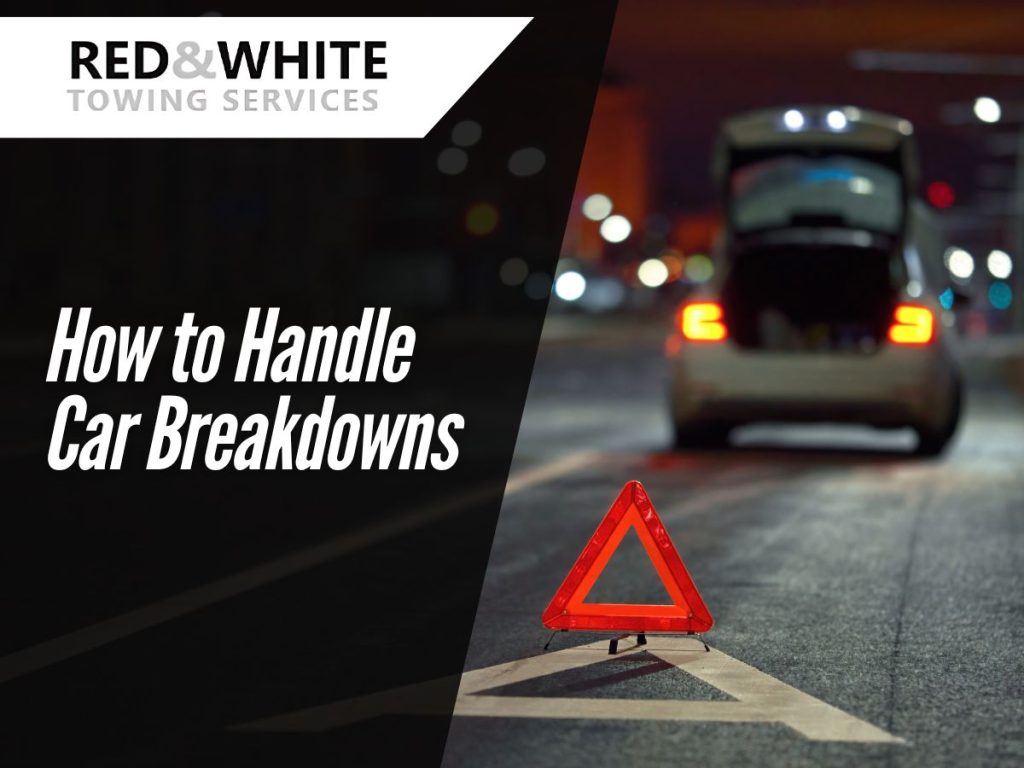
A Systematic Approach to Handling Car Breakdowns
When your car breaks down, the key to dealing with the situation effectively is a calm, methodical approach. According to AAA, following these steps can help you stay safe and avoid making the situation worse.
1. Move to a Safe Location
At the moment you notice any signs of trouble, your first priority should be to move to a safe location. If you can, steer your car off the main road to avoid blocking traffic. Ideally, find a parking lot, wide shoulder, or exit ramp. If this isn’t possible, try to move your vehicle as far off the road as you can.
- AAA Insight: “If you’re on a busy highway, pulling off to the nearest exit or service area makes it safer for you and easier for the tow truck to reach you.”
2. Activate Your Hazard Lights
Once you’ve secured your location, turn your hazard lights on immediately to signal other drivers. This is especially important if you’re on a busy road or if it’s dark outside. Your lights serve as a clear signal to passing drivers that you’re having trouble.
- Expert Tip: According to Tom Grant, a towing professional in Tucson, “Hazard lights are critical. They ensure that other drivers know you’re not just another car on the side of the road, but that you need help.”
3. Safely Check the Situation
Before doing anything else, take a moment to assess your surroundings and the condition of your vehicle. Is there smoke? Are there strange smells or noises? If the issue seems minor, like a flat tire or empty gas tank, you may be able to fix it yourself. If the problem seems more serious (like engine failure or warning lights), it’s better to wait for a professional.
- AAA Advice: “If you don’t feel safe or confident diagnosing the problem yourself, it’s always a good idea to wait for roadside assistance.”
4. Call for Help
Once you’ve assessed the situation, it’s time to call for help. This could be a roadside assistance service or a local tow company. Many roadside assistance programs offer mobile apps that allow you to request a tow service with the touch of a button. When calling, give a detailed description of your location and the issue with your car so the dispatcher can send the right help.
5. Don’t Attempt Major Repairs
While small issues like a flat tire or dead battery might be fixable on your own, major car problems should be left to professionals. Trying to fix a broken engine, faulty transmission, or anything that could put you in danger is not worth the risk. Stay inside your car, have the hazard lights turned on until assistance arrives.
- Towing Experts’ Advice: Mike Davies, a seasoned tow truck driver, explains, “The safest thing to do is wait for professional help, especially in a high-risk location. Tow operators are trained to handle all kinds of breakdowns.”
6. Know When to Call for a Tow
If your car cannot be repaired on-site, or if it’s unsafe to drive, it’s time to call for a tow. Whether it’s a flat tire, an engine failure, or something more serious, a tow truck will get you and your vehicle to a safe location.
Mental and Emotional Strategies for Handling Car Breakdowns
While breakdowns are stressful, you don’t have to let the emotions take over. Here are some mental and emotional strategies to keep in mind when you’re facing a breakdown:
1. Take a Deep Breath and Pause
The first thing you should do when your car breaks down is to take a few deep breaths. This simple practice helps reduce stress and re-establishes focus. By taking a step back and pausing, you’ll be able to think more clearly and calmly.
- Psychological Insight: “Mindful breathing can activate your parasympathetic nervous system, which helps calm the body and mind. This can be especially important when you’re faced with the uncertainty of a car breakdown,” explains Dr. Simmons.
2. Stay Focused on What You Can Control
Instead of focusing on what you can’t control, like the car’s malfunction or how long the tow will take, redirect your attention to what you can control. For instance, pull over to a safe area, turn on your hazard lights, assess the situation, and make the necessary calls.
3. Maintain a Positive Mindset
A positive mindset can help mitigate stress during breakdowns. Try to remind yourself that the breakdown is a temporary setback. Keep in mind that professional help, like towing or roadside assistance, is just a call away.
- Quote from Dr. Emily Simmons: “A positive mindset is powerful. Viewing the situation as a challenge you can overcome helps keep anxiety at bay and gives you the mental space to make good decisions.”
4. Practice Grounding Techniques
If you’re feeling overwhelmed by anxiety or fear, grounding techniques can help you stay connected to the present moment. Try focusing on your surroundings or engaging in physical sensations, like pressing your feet into the ground or holding an object in your hand. These techniques can reduce feelings of panic.
5. Prepare Mentally in Advance
While it’s impossible to predict when a breakdown will happen, mentally preparing yourself can make the experience much less jarring. Think about what you would do in the event of a breakdown and create a mental checklist, so you’re ready to respond calmly.
- AAA Advice: “It’s always a good idea to plan ahead. Know the number for roadside assistance, and ensure your car is in good condition to avoid surprises. Having a mental roadmap in place helps you manage the emotional fallout of an unexpected breakdown.”
Case Study of a Car Breakdown
Let’s take a look at how Sarah, a driver who encountered a breakdown, followed these steps and what the outcome was.
The Situation
Sarah was driving on a local highway when she noticed her car’s engine temperature gauge climbing dangerously high. Recognizing the signs of an overheating engine, she quickly maneuvered her car to the side of the road. After taking a few deep breaths, Sarah turned on her hazard lights, and assessed the situation.
- Sarah’s Thoughts: “It felt like the world stopped for a second. I was scared, but I remembered to stay calm and stick to the plan.”
The Outcome
After pulling over, Sarah called her roadside assistance service, explaining the issue and her location. Within 30 minutes, a tow truck arrived. The driver identified the problem—a burst radiator hose—and safely towed her car to the nearest repair shop. Sarah’s car was fixed within a few hours, and she was back on the road the next day.
- Sarah’s Reflection: “I felt so much better knowing that I followed a clear process. The tow truck driver was professional, and the whole experience was way less stressful than I imagined.”
FAQs
1. What Should I Do If I Have a Flat Tire?
If you have a flat tire, pull over to a safe location and turn on your hazard lights. If you have a spare and know how to change it, replace the tire. If not, or if you’re unsure, call a roadside assistance service for help.
2. How Can I Avoid Car Breakdowns?
Regular maintenance is key to avoiding breakdowns. Make sure to follow your car’s service schedule, check your tire pressure regularly, keep your gas tank at least a quarter full, and monitor your car’s battery and fluid levels.
3. When Should I Call for a Tow?
You should call for a tow if your car is stuck in a dangerous location, has a serious mechanical issue, or is undriveable. If you’re unable to fix the issue yourself or feel unsafe, it’s time to call for professional help.
4. What Should I Do If My Car Breaks Down in Bad Weather?
If you’re caught in bad weather, stay in your car and keep your hazard lights on. Avoid attempting to drive in dangerous conditions, and call for roadside assistance to safely remove your vehicle.
Conclusion
A car breakdown can happen at any time, but with a little preparation and a clear action plan, you can stay safe and minimize the stress. By following the steps outlined above—pulling over safely, assessing the situation, calling for help, and knowing when to tow—you can handle the breakdown calmly and efficiently.
Dive into more articles on managing roadside emergencies, staying safe, and understanding your towing options. The more you know, the less stressful unexpected breakdowns will be!
- Roadside Assistance vs. Towing Services
- Emergency Towing Safety Guide
- Towing for Electric Vehicles