

Emergencies on the road can happen at any time, and when they do, you need a fast and reliable towing service. Whether it’s a car breakdown, accident, or other urgent situations, knowing how tow trucks operate can ease some of the stress. Tow trucks play a vital role in assisting drivers during these critical moments. In this article, we’ll explore how tow trucks operate in emergencies, shedding light on the stages and guidelines that ensure efficient and safe service.
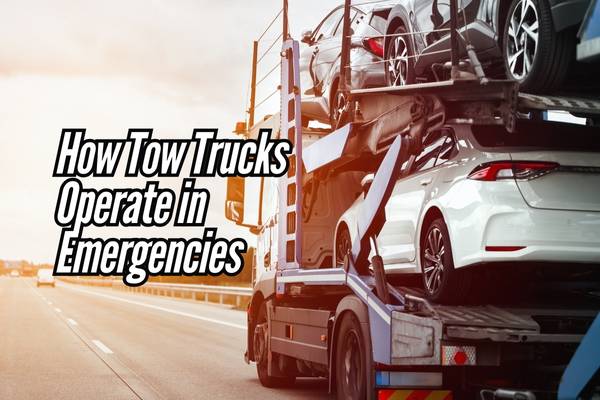
The Process as Explained by Experts
Tow truck operators are highly skilled professionals trained to manage vehicles in distress. Understanding how these professionals work can make all the difference in managing the situation effectively.
Stage 1: Initial Contact and Assessment
When an emergency occurs, the first step is making the call for a tow. A dispatcher will gather information about the vehicle’s location, the nature of the problem, and any immediate hazards. Based on the provided information, the dispatcher sends the appropriate tow truck for the job. Tow trucks are equipped with GPS systems that help pinpoint the exact location of the vehicle, reducing response times.
John Williams, Operations Manager at a local towing company states, “We rely heavily on GPS tracking to ensure we can pinpoint the location of a distressed vehicle quickly. With emergency situations, every minute counts, and our technology helps reduce response time.”
Stage 2: Arrival and Vehicle Assessment
Upon arrival, the tow truck operator quickly assesses the situation. If it’s a minor accident or breakdown, the operator ensures that the area is secure and safe before approaching the vehicle. They check for any hazards such as leaking fluids, which might require additional precautions. Tow trucks often come with specialized equipment to safely load vehicles, whether on a flatbed or with a wheel-lift mechanism.
“Safety is our number one priority when we arrive at the scene,” says Sarah Matthews, a senior tow truck operator. “We’re trained to handle not only the vehicle but also the road conditions. If there’s a risk of fluid leakage or unstable traffic, we assess the situation and secure the area before proceeding.”
Stage 3: Vehicle Recovery
Once the vehicle is assessed, the operator uses the necessary equipment to recover the vehicle. Depending on the situation, the tow truck operator may employ winching techniques, flatbed loading, or a wheel lift. Winching is particularly useful for vehicles that are stuck or have broken down in hard-to-reach places. The tow truck carefully secures the vehicle to avoid further damage.
Tom Harris, a tow truck operator recalls “We had a car that slid into a ditch during a flash flood,” “We used a winch system to pull the car out, ensuring that it was recovered without any damage. It’s situations like these where experience matters,” he adds.
Stage 4: Transport and Final Drop-off
Once the vehicle is secured, the tow truck operator transports it to the designated location, which could be a repair shop, the owner’s home, or a storage facility. During transportation, tow trucks are designed to keep the vehicle stable and ensure no further damage. Safety protocols ensure that the car stays in a fixed position throughout the ride.
Key Protocols in Emergency Towing
Tow truck operations during emergencies are guided by strict protocols to ensure safety, efficiency, and compliance with national standards. Organizations like the National Towing Association (NTA), National Traffic Incident Management Coalition (NTIMC), and the Towing and Recovery Association of America (TRAA) emphasize coordinated efforts between emergency responders, including tow truck operators, to minimize traffic disruption and enhance public safety.
Key protocols include:
Safety Measures
Tow truck operators must wear high-visibility gear, use emergency lighting, and conduct risk assessments at the scene.
Coordination
Tow truck operators must collaborate with Traffic Management Centers (TMCs), emergency responders, and other agencies to ensure efficient incident resolution.
Specialized Procedures
For large-scale incidents, such as hazardous material spills or heavy-duty vehicle recovery, tow operators follow specific guidelines for handling different scenarios.
Training & Certification
Tow operators must be properly trained and certified in emergency response protocols, ensuring expertise in handling complex incidents.
Public Safety and Communication
Clear communication with emergency services and the public is crucial to minimize risks and clear traffic.
These standardized procedures help tow truck operators manage emergencies safely and swiftly while ensuring minimal traffic disruption and protecting both responders and the public.
FAQs
1. What types of tow trucks are used in emergencies?
Tow trucks come in several types, including flatbed, wheel-lift, and integrated trucks. Each type is suited for specific emergencies, with flatbed trucks typically preferred for high-value vehicles or when a car has severe damage.
2. How do tow truck operators secure a vehicle during an emergency?
Operators secure vehicles using straps, chains, and winches, depending on the type of tow truck. Safety protocols ensure that the vehicle remains stable during transport to avoid further damage.
3. What should I do if my car needs to be towed in an emergency?
First, call a towing service immediately. Provide as much detail as possible about the situation and location. Then, stay safe by moving your vehicle (if possible) to a secure area, such as the shoulder of the road.
4. How long does it take for a tow truck to arrive during an emergency?
The response time depends on the distance to the emergency site and the availability of tow trucks. On average, most towing services aim to arrive within 30 minutes to an hour, depending on traffic conditions.
5. Are there special towing techniques for different types of vehicles?
Yes, for larger or heavier vehicles, like RVs or trucks, tow operators use specialized equipment. For high-value or luxury cars, flatbed tow trucks are often used to avoid any additional damage.
Understanding how tow trucks operate in emergencies can help ease the stress of an already challenging situation. From assessing the vehicle’s condition to securing it safely for transport, tow truck operators follow strict standards to ensure both the safety of the driver and the vehicle. By following well-established guidelines, tow trucks play a critical role in helping drivers in their time of need.