

Imagine driving down the highway when your car suddenly breaks down. You pull over to the side of the road, heart racing, wondering what to do next. You need a tow, but are you prepared? How do you ensure your car is ready for towing, and what steps should you take to avoid causing more damage? Whether you’re in need of emergency towing or dealing with a breakdown, preparing your vehicle for the process can make a huge difference in safety, cost, and overall experience.
In this article, we’ll walk through a real-life example and then provide expert advice on how to prepare your car for towing efficiently and safely.
A Case Study: A Driver in Need of Towing
Picture this: a driver, Sarah, is on her way to work. She’s driving down a busy street when suddenly, the engine sputters and the car grinds to a halt. She pulls over to the side of the road, her heart racing. The dashboard lights flicker, and the car won’t start again. A quick check confirms the worst: it’s not going to start, and Sarah can’t fix it herself.
She checks her phone and calls a towing service, but her mind is racing with questions. “How long will it take for the tow truck to arrive? Will my car get damaged in the process? How should I prepare for the tow?” The uncertainty adds to her anxiety.
Unfortunately, Sarah’s situation isn’t unique. Car breakdowns happen all the time, and many drivers don’t know what to expect or how to prepare for a tow. This is where knowing how to properly prepare your vehicle can make all the difference. But what exactly should Sarah do next?
How to Properly Prepare Your Car for Towing: A Step-by-Step Guide
When your car breaks down or needs to be moved for any reason, preparing it properly for towing is essential. Doing so ensures your car is safely transported, avoids additional damage, and speeds up the entire process. Here’s a step-by-step guide to help you prepare your vehicle for towing.
1. Assess the Situation Safely
Before doing anything else, make sure you are in a safe location to avoid further accidents or damage. Here’s how:
- Pull Over Safely: As soon as you realize your vehicle is inoperable, move it out of the flow of traffic. Ideally, you should pull into a parking lot or onto the shoulder of the road. If that’s not possible, activate your hazard lights immediately to alert other drivers. Stay in the vehicle with the doors locked, especially if you’re on the side of a busy road.
- Stay Calm: It’s natural to feel stressed, but staying calm is important. Panicking can lead to rushed decisions that may cause mistakes or accidents. Take a few deep breaths before making any further moves.
2. Call a Reliable Tow Truck Service
Once you’ve ensured safety, it’s time to call for help. Not all towing services are created equal, so it’s important to find a reputable one.
- Choose the Right Tow Service: If you’re not already familiar with a towing company, look for one with good reviews, 24/7 availability, and experience with the type of car you own (sedans, SUVs, luxury vehicles, etc.).
- Provide Accurate Information: When contacting the towing service, give them all necessary details. Be sure to mention your car’s make, model, and any specific issues you’re facing. Also, provide your exact location so the tow truck can reach you without delay.
- Inquire About Towing Methods: Ask the tow service if they offer specialized services like flatbed towing, especially if your car is a luxury model or has significant damage. Flatbed towing prevents additional wear on the vehicle during transport.
- Additional Tip: If your car is stuck in an awkward position or can’t be easily moved, you might need a winch to pull it out. Let the towing service know about this possibility to ensure they come prepared.
3. Prepare the Vehicle for Towing
Before the tow truck arrives, it’s helpful to take some steps to get your car ready for transport. This can make the process smoother for everyone involved.
- Turn Off the Engine: Make sure the engine is completely off before the tow truck arrives. This reduces the risk of any accidental damage and ensures the car won’t be inadvertently moved while being loaded.
- Put the Car in Neutral or Park: Depending on whether your vehicle is automatic or manual, make sure to place it in neutral or park. This allows the tow truck driver to move the car more easily.
- Release the Parking Brake: Disengage the parking brake to make it easier for the tow truck to load and unload your vehicle.
- Clear Personal Items: Remove any personal belongings from the car. In some cases, the car may be taken to a storage facility where access is limited. Additionally, removing valuable items can prevent theft or damage during the tow.
4. Inform the Tow Truck Operator
Providing the tow truck driver with the right information is crucial for a smooth towing process.
- Share Details About the Breakdown: Let the driver know the reason for the tow—whether it’s a flat tire, a mechanical issue, or something else. If your vehicle has any special features (e.g., low ground clearance, custom exhaust system, etc.), make sure the operator is aware. This helps them prepare the right equipment and approach.
5. Understand the Towing Methods
There are a few different methods used for towing, and knowing which one is best for your car can help avoid any potential damage.
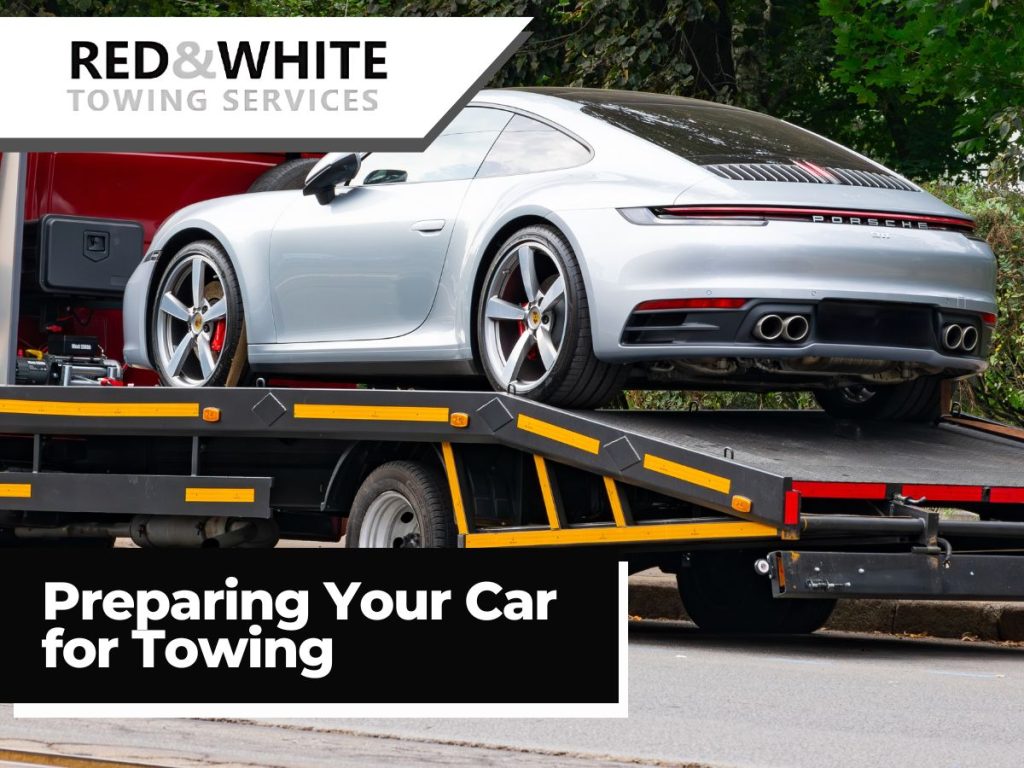
- Flatbed Towing: This is the most common method used for vehicles that are heavily damaged, luxury cars, or cars with low ground clearance. Flatbed towing ensures the vehicle is lifted entirely off the ground, preventing further wear or potential damage during the tow.
- Wheel Lift Towing: In this method, the tow truck lifts the front or rear wheels of the car off the ground while the remaining wheels are left on the road. This method works well for most cars that are not heavily damaged or do not have low ground clearance.
FAQs
1. How long will it take for a tow truck to arrive?
Response time varies based on your location and the towing company’s workload. In urban areas, a tow truck may arrive in 30-60 minutes, but in rural locations, it may take longer. Always check the expected time frame with the towing service.
2. Can towing damage my vehicle?
While proper towing methods minimize risk, damage can occur if the vehicle is improperly secured or if the tow truck operator lacks experience. Make sure to hire a reliable towing company and discuss any concerns beforehand.
3. Should I stay in my car while waiting for the tow truck?
If you’re in a safe location, it’s best to stay inside your car. Keep the doors locked until the tow truck comes. If you are on a busy road or highway, it’s safer to exit the vehicle and wait at a distance.
4. Can I still use my car’s keys during the towing process?
The tow truck operator will need your car’s key to load and unload the vehicle. Make sure to provide them with your keys or arrange a safe way to hand them over.
5. Do I need to empty my car before it’s towed?
While it’s not mandatory, it’s highly recommended to remove any personal belongings. Items left inside can get damaged during towing, and certain items might not be covered by insurance during transport.
6. What happens if the tow truck driver damages my car?
Tow companies are usually insured for accidents or damage that occurs during towing. Be sure to take photos of your car before it’s towed and report any concerns to the towing company immediately.
Conclusion
Preparing your car for towing might seem daunting at the moment, especially during a breakdown, but knowing the right steps can alleviate stress and ensure the safety of your vehicle. Whether it’s checking the car’s gear, removing personal items, or choosing the correct towing service, taking the time to prepare properly makes all the difference.
When faced with a vehicle breakdown, always remember: safety comes first. Ensure your vehicle is properly prepared for the towing process, and work with a reliable towing service to minimize further damage.For more tips and information on towing services, be sure to explore related articles, such as Signs You Need a Tow, How Tow Trucks Operate in Tucson AZ, and Common Towing Mistakes Explained.