

When your vehicle breaks down or needs to be transported, it’s critical to ensure that it is towed safely and securely. Improper towing can cause significant damage to your vehicle and create a dangerous situation for both you and other road users. In this guide, we will explore the best practices for towed vehicles, with expert insights from AAA and a practical case study.
By the end of this article, you’ll have a clear understanding of how to handle towing situations with confidence, whether you’re dealing with a simple breakdown or a more complex scenario.
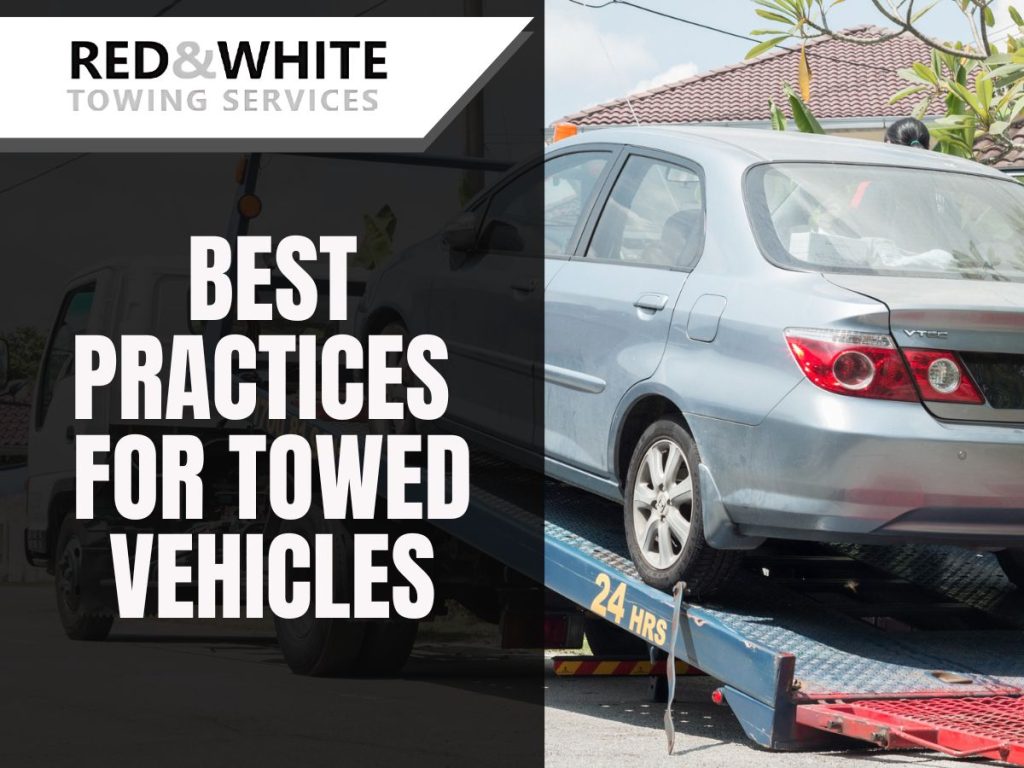
Best Practices for Towed Vehicles
Towing a vehicle may seem straightforward, but there are numerous factors to consider to ensure it’s done safely. AAA, the American Automobile Association, provides expert guidance for towing vehicles, covering everything from the right equipment to the necessary safety measures. Let’s break down these best practices:
1. Choose the Right Tow Truck
The type of tow truck you use depends on the size and condition of the vehicle being towed. For instance:
- Flatbed Trucks are ideal for vehicles that cannot be driven or have major damage.
- Wheel Lift Trucks are suitable for vehicles with functioning wheels but should be used carefully to avoid damaging the undercarriage.
2. Secure the Vehicle Properly
A vehicle should always be secured to the tow truck to avoid swaying, shifting, or potential accidents during the tow. The vehicle’s wheels should be locked, and additional chains or straps should be used to secure it safely.
3. Ensure the Vehicle is in Neutral
Before towing, ensure the car is in neutral. This will prevent the transmission from becoming damaged during the towing process. Also, ensure that the parking brake is disengaged and the vehicle is in gear if necessary.
4. Follow the Manufacturer’s Guidelines
Many vehicles come with specific towing instructions that detail how they should be towed. Always check the owner’s manual for guidelines to avoid damage to the transmission, suspension, and other critical parts.
5. Use Proper Towing Equipment
Towing equipment should be rated for the weight of the vehicle being towed. Equipment that is too small or inappropriate for the load can break or fail, leading to potential accidents or damages.
6. Mind the Speed and Route
When towing, always drive at a reduced speed and choose the safest routes. Sharp turns, steep inclines, or winding roads should be avoided when towing, as these can put extra strain on the vehicle and the tow truck.
7. Communicate Clearly with the Tow Driver
Ensure clear communication with the tow truck driver regarding where you want your vehicle taken and any specific needs or instructions. This helps prevent confusion and ensures the vehicle is transported safely and efficiently.
A Case Study: Adhering to Best Practices
Background
A high-end luxury vehicle broke down during a long road trip. The owner, concerned about the potential for significant damage during the towing process, reached out to a professional towing service for assistance. The towing company followed expert recommendations to ensure the safety of the vehicle, and in this case, we also evaluate how these actions align with the best practices outlined by AAA.
Step 1: Vehicle Assessment and Tow Truck Selection
Upon arrival, the tow truck driver performed a quick but thorough assessment of the vehicle’s condition and towing needs. AAA recommends that towing professionals assess the vehicle carefully to determine the correct type of tow truck to use. In this case, because the luxury car had a low ground clearance and could not be driven, a flatbed tow truck was selected.
AAA Evaluation
AAA stresses the importance of choosing the right equipment based on the specific needs of the vehicle. Flatbed trucks are the recommended option for vehicles with low clearance or significant damage, as they prevent any damage to the vehicle’s suspension, tires, and undercarriage during the tow. The towing service’s decision aligns perfectly with AAA’s recommendations for proper equipment selection.
Step 2: Securing the Vehicle
The vehicle was loaded onto the flatbed with care. AAA advises that all towed vehicles be secured properly using straps or chains to avoid shifting during transit. The driver used soft straps specifically designed not to damage the luxury vehicle’s frame, and additional tie-downs were employed to keep the car stable during transport.
AAA Evaluation
AAA emphasizes that securing the vehicle properly is one of the most critical safety steps in towing. Improper securing can lead to the vehicle swaying, causing road hazards and even accidents. This towing service followed AAA’s best practices by securing the car at all four corners, ensuring it remained stationary throughout the tow.
Step 3: Route Planning and Speed Management
The tow truck driver mapped out the safest route, avoiding heavily congested areas and sharp turns that could stress the towing system. The vehicle was towed at a reduced speed of 45 mph, which is in line with AAA’s advice for cautious, safe towing practices.
AAA Evaluation
AAA guidelines suggest driving at reduced speeds during towing to prevent excessive strain on the towing equipment and the towed vehicle. The towing service’s choice to avoid high-traffic areas and control the speed demonstrates their adherence to AAA’s safety protocols, ensuring that the tow was completed smoothly and without incident.
Step 4: Communication with the Vehicle Owner
The towing service maintained regular communication with the car owner throughout the process. They provided updates on the vehicle’s status and informed the owner about the estimated arrival time at the repair shop.
AAA Evaluation
AAA stresses the importance of communication between the tow truck operator and the vehicle owner. Keeping the owner informed helps reduce anxiety and ensures that the right decisions are made at each step of the towing process. The towing service’s efforts in maintaining clear communication align with AAA’s best practices, fostering trust and transparency in the process.
Step 5: Drop-off and Final Inspection
Upon arrival at the repair shop, the vehicle was unloaded carefully. Both the driver and the owner performed a final inspection, ensuring no damage occurred during the towing process. The owner confirmed that the vehicle remained in pristine condition, and the towing company documented the drop-off.
AAA Evaluation
AAA advises performing a final inspection upon delivery to ensure that no damages occurred during the towing process. This step is crucial for holding both the towing company and the vehicle owner accountable. The towing company followed this best practice, ensuring that the owner had peace of mind and confirming that the vehicle was delivered safely.
Analysis
This case study highlights the importance of following established best practices in towing. By adhering to AAA’s guidelines—such as selecting the proper tow truck, securing the vehicle, planning the route, maintaining communication, and conducting a final inspection—the towing service ensured a safe and efficient experience for the vehicle owner.
FAQs
- What should I do before my vehicle is towed?
Before your vehicle is towed, ensure the car is in neutral, and the parking brake is disengaged. If possible, remove any valuables from the vehicle to prevent theft or damage during the tow. Always communicate with the tow driver about your destination and any special instructions. - How do I know which type of tow truck to use?
The type of tow truck you need depends on the condition of the vehicle. If the car can be driven, a wheel lift tow truck may be sufficient. For vehicles that cannot be driven, such as those with major damage or without functioning wheels, a flatbed tow truck is the safest option. - How long will it take for my vehicle to be towed?
The time it takes for a vehicle to be towed depends on several factors, including the distance to the destination, traffic conditions, and the type of service required. In most cases, a tow can take anywhere from 30 minutes to a few hours. - Can I tow a vehicle myself?
While towing a vehicle yourself is possible with the right equipment, it is generally not recommended unless you have experience. Improper towing can cause significant damage to the vehicle and pose safety risks. - Are there specific laws regarding towing vehicles in Tucson?
Yes, Tucson has specific laws and regulations regarding towing, especially concerning illegally parked vehicles, abandoned cars, and towing in emergency situations. Always check with local authorities to ensure compliance with these laws.
Explore our related articles for additional insights and practical tips on towing.
- Understanding Tow Truck Signals
- Towing Costs Breakdown Explained
- Tips for Safe Towing Practices