

When your car refuses to start, it can disrupt your plans and leave you feeling stranded. This article explores practical solutions to address common causes of starting problems and highlights when calling a towing service is the best course of action.
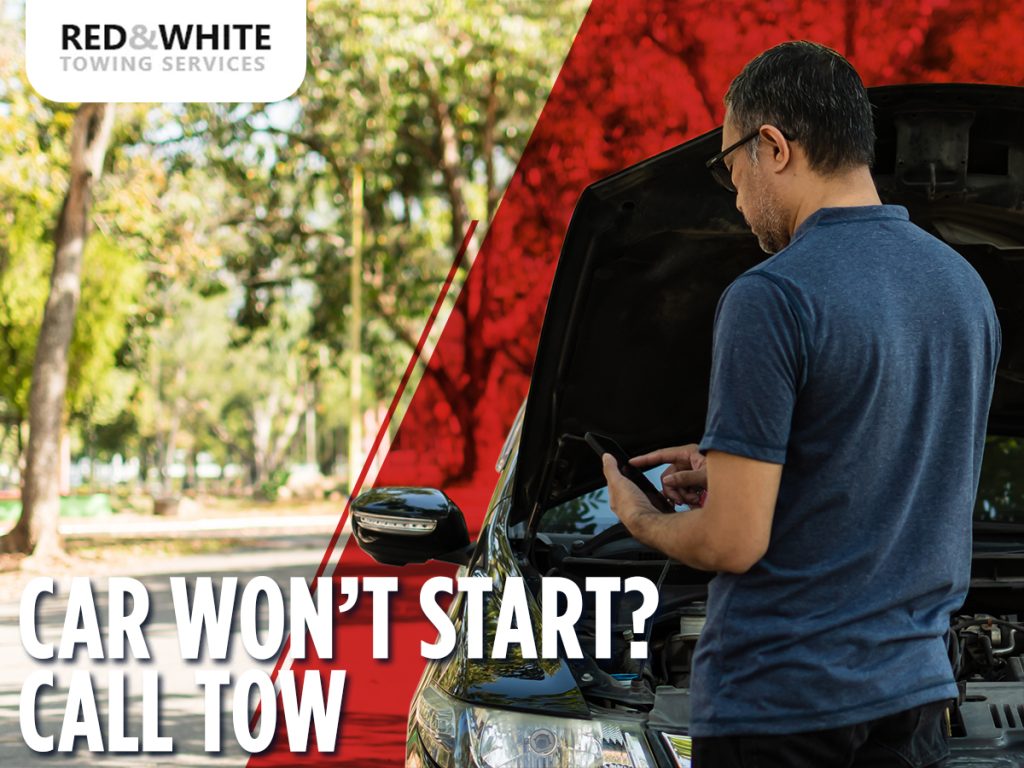
My Car Is Not Starting
The first reaction to a car that won’t start is often frustration. It’s crucial to stay calm and assess the situation carefully. Checking for obvious issues like whether the battery has drained or if there’s fuel in the tank is a good start. Simple fixes like jumpstarting a dead battery might solve the problem, but if your car remains unresponsive, it’s time to consider professional help.
Common Reasons Behind a Car that Won’t Start
When a car refuses to start, the underlying issue often falls into one of several common categories. Identifying these problems can help determine the next steps, whether it’s a simple fix or a call to a professional towing service.
- Dead Battery
A dead battery is one of the most frequent reasons for a car that won’t start. This can happen if you leave the headlights or interior lights on overnight or if the battery has simply reached the end of its life. Signs of a dead battery include a clicking sound when turning the ignition or complete silence. While a jumpstart may temporarily resolve the issue, recurring problems may require replacing the battery.
- Starter Motor Problems
The starter motor is responsible for turning the engine over and beginning the combustion process. If the starter motor is faulty or worn out, the car won’t start despite having a functional battery. A clicking noise when turning the key or a complete lack of response are definitive signs of a faulty starter. Replacing the starter motor is usually necessary to restore functionality.
- Ignition Switch Failure
The ignition switch is a critical component that activates the electrical systems and engine. If the switch is damaged or worn out, it can prevent the car from starting. Symptoms of ignition switch failure include flickering dashboard lights or no response when the key is turned. Diagnosing and repairing the ignition system often requires professional assistance.
- Fuel Problems
Issues with fuel delivery can also cause starting problems. A clogged fuel filter or malfunctioning fuel pump may prevent fuel from reaching the engine. Similarly, if the car is low on fuel, it might not start, even if the gauge shows otherwise due to sensor inaccuracies. Ensuring there’s enough fuel and inspecting the fuel system can help identify these issues.
- Faulty Spark Plugs
Spark plugs ignite the fuel-air mixture in the engine to create combustion. If they are worn out or dirty, they may fail to generate the necessary spark, leaving the engine unable to start. Replacing spark plugs as part of regular maintenance can prevent this issue.
- Alternator Issues or Electrical Faults
The alternator charges the battery and powers the vehicle’s electrical systems while the engine runs. It may develop over time, especially if the vehicle has high mileage or has been exposed to harsh driving conditions. A failing alternator can drain the battery, causing the car to stall or fail to start. Signs of alternator trouble include dimming lights, strange noises, or the battery warning light appearing on the dashboard.
- Engine Overheating
An overheated engine can temporarily prevent a car from starting. Overheating can damage components such as the head gasket or cylinders, leading to significant issues. Allowing the engine to cool down before attempting to start it again is crucial in these situations.
- Security System Malfunctions
Modern cars often include advanced security systems that can prevent unauthorized access or starting. If the key fob battery is dead or the immobilizer system malfunctions, the car may not recognize the key, leaving it unable to start. Resetting the system or replacing the key fob battery may resolve the issue.
- Extreme Weather Conditions
Cold weather can thicken engine oil, making it harder for the engine to turn over. In hot climates like Tucson, excessive heat can strain the battery or damage electrical components, leading to starting difficulties. Ensuring your vehicle is properly maintained for seasonal changes can mitigate these effects.
- Corroded or Loose Battery Connections
Corrosion on the battery terminals or loose connections can interrupt the electrical flow necessary to start the engine. Cleaning the terminals and tightening the connections can often resolve this problem without requiring a replacement.
Call a Tow Service
There are times when a car simply refuses to cooperate, no matter how many troubleshooting steps you attempt. If you find yourself stranded in a dangerous location or unable to identify the issue, calling a towing service is the safest option. A professional tow truck operator can transport your vehicle to a repair shop where it can be properly diagnosed and repaired. Reliable towing services not only provide prompt assistance but also ensure that your vehicle is handled with care, preventing further damage during transport.
FAQs
- What are the first steps I should take if my car won’t start?
If your car won’t start, check the battery, fuel level, and ignition for obvious issues. If these are not the problem, consider calling for roadside assistance or a tow. - How do I know when I need towing instead of a quick fix?
If your car doesn’t respond to simple troubleshooting or is unsafe to drive, it’s time to call a towing service. - Are towing services available 24/7 for emergencies?
Several towing services operate around the clock to assist drivers in emergencies. - What is the average cost of towing a car that won’t start?
Towing costs depend on the distance and the type of vehicle, but standard rates typically range from $75 to $125. - Is it safe to wait for a tow truck on a busy road?
It’s advisable to move to a safe location, such as the shoulder of the road, and wait inside your vehicle until help arrives.